
Order quality samples—an essential first step for any POD brand aiming for reliable results. This approach aligns product testing with brand promises, reducing returns and boosting customer trust, and it encourages transparent supplier collaboration. By physically inspecting iterations, you assess color accuracy, material feel, and print durability before committing to production, ensuring bulk runs meet expectations. This guide blends practical steps with Print on demand sample guidelines to keep you focused on quality. Keeping supplier alignment and a structured evaluation format helps you choose the best fits for your catalog and plan future improvements confidently, to ensure consistency across launches.
Viewed through an alternative lens, this practice becomes a sampling program for product quality and pre-production checks that catch issues before large runs. Think of it as proactive quality assurance—color fidelity verification, material performance testing, and packaging consistency across shipments. By adopting an ongoing QA workflow, you align supplier capabilities with customer expectations and protect your brand promise. A structured criteria set, standardized lighting references, and transparent supplier communication make the approach scalable and search-friendly. In short, treating sample testing as a core process reduces risk, improves catalog confidence, and strengthens your POD business.
Order quality samples: Building a foundation for reliable POD products
In the fast-moving world of print on demand (POD), ordering quality samples is not optional—it’s the foundation of consistency from first click to doorstep. By ordering quality samples, you can gauge color accuracy, material feel, print durability, and construction quality in a real-world context, rather than guessing from product pages alone. A deliberate sample process reduces surprises in mass production and gives you a data-driven basis for catalog decisions.
This approach isn’t about one great photo; it’s about a rigorous evaluation framework that feeds your supplier selection, pricing negotiations, and customer promises. Start by defining your goals and aligning them with POD sample guidelines, so you can compare apples to apples across suppliers and colorways, ensuring your images truly reflect what customers will receive.
Print on demand sample guidelines: Defining clear expectations for every product
POD sample guidelines help you specify exactly what you want—from sizes, colors, and materials to finishes and print methods. By outlining these specs in detail, you reduce back-and-forth and speed up responses from suppliers while improving color management and consistency across batches. Where applicable, request digital proofs and physical color swatches to anchor your expectations in reality.
Clear guidelines also cover packaging, labeling, care instructions, and any sustainability or compliance documentation. In practice, using a documented checklist makes it easier to scale testing as your catalog grows, while ensuring that every supplier you work with understands your standards for color fidelity, print quality, and overall product feel.
How to evaluate product samples: A practical, repeatable checklist
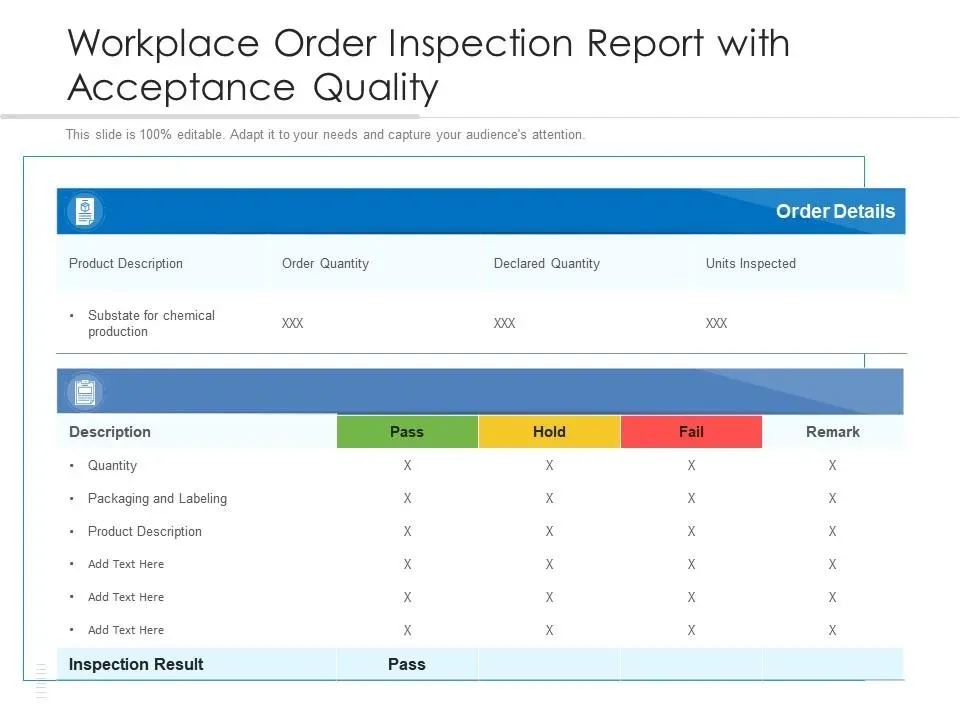
How to evaluate product samples starts with turning goals into a testing checklist. Assess color fidelity under neutral lighting, print sharpness, alignment, fabric weight and drape, stitching quality, and packaging accuracy. This is where you translate brand standards into measurable criteria, so you can separate aesthetics from durability and fit.
Use a simple scoring rubric (for example 1–5 on color fidelity, print quality, and build quality) and capture photos, measurements, and notes for every sample. Document results by supplier and variant, then build a decision matrix to guide which items to place into production and which to revise. This is the essence of the concept you’ll often hear framed as ‘How to evaluate product samples’ in practice.
POD sample ordering tips: Strategize, compare, and decide with confidence
POD sample ordering tips emphasize choosing a short list of suppliers who align with your quality benchmarks and requesting multiple samples per variant when budget allows. Specify exact product specs, ensure consistent testing environments, and note lead times and return policies so you can compare suppliers on a level playing field. A clear comparison matrix helps you visualize trade-offs between price, speed, and quality.
Don’t skip written confirmations of specifications and any variances. By building a careful order plan—colorways, sizes, materials, and finishes—you create a defensible audit trail for future sourcing decisions. These steps embody the practical, repeatable approach that makes ‘POD sample ordering tips’ a core part of scaling a POD business.
Sample quality control for print on demand: Establishing a repeatable QA workflow
Once samples arrive, apply a formal sample quality control for print on demand process. Use your checklist to rate color fidelity, print sharpness, fabric behavior, construction details, and packaging accuracy. Document results with photos and measurements, and tally scores to identify the strongest supplier-partner and the most reliable variant sets.
Beyond the initial evaluation, implement a post-sampling QA workflow that includes periodic re-sampling of newer production runs, a written acceptance criteria document acknowledged by all suppliers, clear defect reporting procedures, and a plan to maintain an up-to-date product catalog. This creates a sustainable quality loop that scales with your store.
Balancing cost and value in print on demand sample testing
Ordering many samples can strain budgets, so balance cost with the value of the insights gained. Focus on a core set of products and colorways, and factor in sample price, shipping, and potential duties. If a supplier offers tiers of samples or discount terms, weigh those against your longer-term needs and cash flow.
Practical tips to maximize ROI include clearly communicating exact specs, requesting standardized lighting references, and conducting side-by-side comparisons in a controlled setup. Maintain a centralized repository of all sample data, photos, and scoring sheets so that your team can reproduce the process as you expand your catalog.
Frequently Asked Questions
Why should you order quality samples in a POD business, and how does the act of Order quality samples contribute to better product quality?
Ordering quality samples is a cornerstone of POD quality control. It provides a data-backed foundation for catalog decisions, supplier selection, and customer satisfaction, reducing returns and misalignment between images and real products. How to apply: – Define testing goals (color, fabric, print, construction, packaging) – Use a structured checklist – Build a supplier comparison matrix and keep samples for reference.
How do you apply Print on demand sample guidelines when ordering quality samples to ensure consistency?
Apply POD sample guidelines by specifying exactly what you want from each sample: size variants, colorways, fabric weights, finishes, and print methods. Request multiple variants per product when budget allows, and standardize lighting and evaluation conditions to make apples-to-apples comparisons. Document all specs and responses for easy supplier negotiations.
What are the key steps in How to evaluate product samples to make objective decisions?
In How to evaluate product samples, start with a clear test plan and a structured checklist covering: color accuracy, print quality, material feel, garment construction, packaging, and care. Use a simple 1-5 rubric and photos to document results. Compare suppliers by overall scores, consistency across variants, and communication quality to select the best partner.
What are POD sample ordering tips to maximize quality insights while ordering quality samples?
POD sample ordering tips include: specify exact specs; request multiple samples per variant; provide consistent lighting and references; note lead times and costs; obtain written confirmations of specs; build a side-by-side comparison matrix; start with a focused set of products to keep testing manageable.
How can you implement Sample quality control for print on demand as part of a ongoing QA workflow?
For sample quality control for print on demand, implement a post-sampling QA workflow: finalize an acceptance criteria document; require defect reporting processes; schedule periodic re-sampling for newer runs; maintain a rolling product catalog; these steps ensure ongoing consistency as you scale.
How can you balance cost with value when ordering quality samples and building a scalable post-sampling QA workflow (including how to Order quality samples efficiently)?
To balance cost and value, limit the number of samples to key products and colorways, factor in shipping and duties, and take advantage of supplier programs (discounted or free samples with commitments). Build a repeatable post-sampling workflow, capture data in a centralized repository, and use insights to guide sourcing decisions and prevent scale-up risks.
| Aspect | Key Points |
|---|---|
| Why ordering quality samples matters |
|
| Practical framework (6 steps) |
|
| What to look for in a quality sample |
|
| Balancing cost with value |
|
| Practical tips to maximize results |
|
| Common pitfalls and how to avoid them |
|