
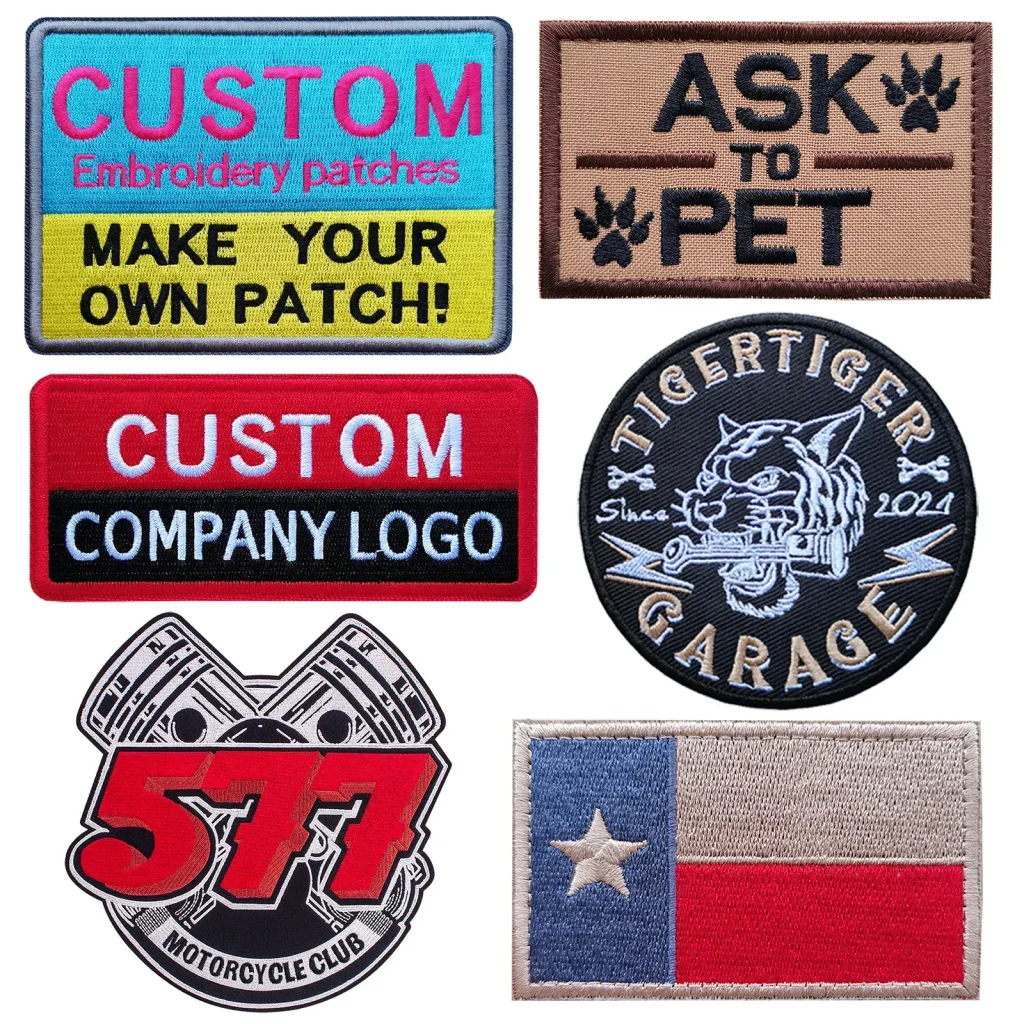
Custom patches ideas have evolved from simple club insignia to powerful visual tools for personal expression and professional branding in classrooms, workplaces, and online communities. Today, people design and wear patches that tell stories, celebrate achievements, reinforce teams and values, and spark conversations about identity. If you’re exploring ideas that blend creativity with practicality, you’ve landed in the right guide, whether you’re outfitting a club, a classroom, or a company program. This article covers a range of concepts—from personal patches that upgrade everyday items to professional patches that unify a workforce or amplify a brand, while outlining decision points about style, size, and care. Along the way, you’ll discover tips to turn sketches into durable fabric adornments and how to choose materials, backing, and sizing for lasting impact, including practical checklists and examples.
In broader terms, these fabric emblems translate into wearable badges that signal identity, belonging, and brand values across diverse cultures and industries. For teams and companies, these patches become a versatile branding element that can be sewn onto uniforms, jackets, or bags, and they travel well in events and campaigns. From embroidered patches to iron-on patches and woven variants, designers can tailor textures, sizes, and shapes to suit any audience. Smart patch design ideas now include modular sets, storytelling through color, and sustainability with recycled materials; designers are exploring production-friendly approaches like patch libraries and color palettes that scale. Personalized patches offer a way to celebrate individuals while reinforcing shared values across a group, making every item feel intentional and unique.
Personal Patches: Turning Hobbies into Wearable Art
Personal patches offer a compact canvas for expressing hobbies, milestones, and individual identity. By leveraging embroidered patches or iron-on patches, you transform everyday items into wearable storytelling devices, turning passion into a visible badge of ownership. When you plan around personalized patches, you can craft a cohesive look that still feels uniquely yours while maintaining strong visual impact across apparel and accessories.
Hobby-based patches and monograms are classic starting points for a personal patch project. For example, patches that celebrate knitting, hiking, or music can be designed in a way that looks great on jackets, backpacks, hats, and denim. This approach aligns with patch design ideas that emphasize meaning, customization, and durability, while keeping production practical for daily wear.
Embroidered vs. Woven Patches: Texture, Detail, and Longevity
Choosing between embroidered patches and woven patches influences texture, legibility, and overall style. Embroidered patches typically have a raised texture with bold, legible lines that stand out from a distance, making them a versatile choice for logos and statements on apparel. Woven patches, by contrast, offer finer detail and a flatter profile that excels for small text and intricate artwork.
Design considerations should weigh the intended size, color complexity, and wash expectations. For larger logos or bold color blocks, embroidery often delivers stronger visual impact, while woven patches shine where precise detail matters. A thoughtful mix of patch design ideas can help you balance depth, clarity, and wearability across different product lines.
Iron-On Patches vs Sew-On Patches: Backing Options for Everyday and Workwear
Backing choice directly affects attachment speed, convenience, and durability. Iron-on patches provide quick and easy adhesion for casual wear, demonstrations, or temporary branding, making them popular for personal projects and samples. When selecting iron-on patches, it’s essential to consider fabric compatibility and care instructions to avoid prematurely lifting or peeling.
Sew-on patches offer long-term durability suited for workwear, uniforms, and items that endure frequent washing. Sew-on backs require a stitching step, but they tend to withstand heavy use and laundering better than some iron-on adhesives. Combining both approaches in a strategic way can maximize practicality without sacrificing visual appeal.
Custom Patches Ideas for Teams and Brands: From Recognition to Limited Editions
Custom patches ideas for organizations can strengthen belonging, commemorate milestones, and extend a brand’s reach beyond screens and brochures. Employee recognition patches celebrate years of service or teamwork, while event patches become collectible mementos that travel from conference to casual wear. When designed with care, these patches reinforce culture and communicate values at a glance.
Brand-building patches integrate with broader marketing efforts, from packaging to apparel lines, creating tactile touchpoints that boost recall. Team identity patches—color-coded logos, mascots, or initials—help groups rally around a shared symbol. Product packaging or limited-edition releases with curated patches can deepen engagement and add a collectible dimension to the customer experience.
Design and Production Essentials: From Sketch to Finished Patch
The bridge from concept to product rests on design fidelity, production method, and material choice. Patch types and textures set the foundation: embroidered patches offer flexibility and depth, while woven patches deliver crisp detail for small type. Color planning, backing selection, and the creation of design proofs are all essential steps to ensure the final patch aligns with your vision.
Shape, size, and color also matter. Exploring non-traditional silhouettes and Pantone-matched color palettes helps patches read well on various fabrics and in different lighting. Sustainability considerations—eco-friendly fabrics, responsible backing, and low-impact dyes—are increasingly important for brands and consumers alike, reinforcing responsible production without compromising design goals.
Case Studies and Practical Steps: Turning Ideas into Patch Reality
Real-world examples illustrate how patch programs can reinforce storytelling and customer engagement. A mid-sized outdoor apparel brand launched a patch collection inspired by national parks, using a mix of embroidered and sew-on patches across jacket and fleece lines. Limited-edition colorways, distributed at launches, created a tangible link between brand narrative and consumer experience.
Getting started with your own patch project follows a simple, scalable path: start small with one personal or professional use-case, define patch shape and backing, and sketch two to three design options. Progress to digital mockups, request a physical swatch when possible, and then plan a phased rollout with appropriate lead times and minimums. This approach keeps quality in focus while you scale into embroidered, woven, or specialty textures and expand into a complete patch line.
Frequently Asked Questions
What are some popular custom patches ideas for personal use?
For personal use, consider hobby-based patches, monograms, themed mini-collections, everyday fashion upgrades, and functional patches. Use embroidery or iron-on patches on jackets, backpacks, hats, and denim. These are popular custom patches ideas for personal expression; when designing, think about readability, backing options, and durability.
How can I apply custom patches ideas to team or organizational branding?
Apply custom patches ideas to teams with options like employee recognition patches, event patches, brand-building patches, team identity patches, and product packaging patches. Choose patch types that suit uniforms or apparel, such as iron-on backs for quick deployment or sew-on backs for durability. Keep colors, symbols, and typography aligned with brand guidelines to reinforce identity.
What should I consider when choosing embroidered patches or woven patches in patch design ideas?
Embroidered patches offer depth and legibility for bold logos, while woven patches provide fine detail and a flatter profile. For long text or small details, woven may be better; for bold graphics, embroidery stands out. In patch design ideas, consider size, texture, viewing distance, and backing needs to ensure optimal readability and durability.
Which backing options are best for implementing patch design ideas (iron-on vs sew-on)?
Iron-on backs are quick and suitable for casual wear and demonstrations, while sew-on backs are more durable for workwear or uniforms. For patch design ideas, consider fabric care and washability: iron-on adhesives may fail with frequent washing, so choose backing accordingly and provide care guidelines for longevity.
What is a practical step-by-step approach to turn patch design ideas into actual patches?
Define the objective, choose patch type and backing, nail the design, create mockups and proofs, finalize order details, and prepare care guidelines. This turn-any-patch-idea into products process uses digital proofs, physical swatches when possible, and clear lead times and MOQs to ensure consistent quality.
What current trends are shaping custom patches ideas today?
Trends shaping custom patches ideas include personalization at scale (monograms, custom shapes, bespoke colorways), sustainability with recycled fabrics and responsible threads, limited editions and storytelling, hybrid patches that combine embroidery with woven elements, and digital-to-physical tools like virtual mockups and AR previews to visualize patches before ordering.
| Section | Key Points |
|---|---|
| Introduction | Presents Custom patches ideas as evolving from simple insignia to tools for personal expression and branding; links creativity with practicality and guides readers from concept to finished fabric adornments. |
| Personal patches | Aims to capture hobbies, milestones, or identity on wearable patches; examples include hobby-based patches, monograms, themed mini-collections, everyday fashion upgrades, and functional patches. |
| Professional patches | Uses patches to unite teams and brands; includes employee recognition, event patches, brand-building, team identity, and product packaging/limited editions. |
| Design and production | Covers patch types (embroidered, woven), backing options (iron-on, sew-on), shapes, colors, design proofing, and sustainability considerations. |
| From concept to production | Outlines a six-step approach: define objective, choose patch type/backing, nail the design, mockup/proof, finalize order details, and provide care guidelines. |
| Practical tips | Emphasizes strong concept, readability from distance, durability, brand alignment, and licensing/rights considerations. |
| Care, longevity, and maintenance | Discusses iron-on vs sew-on durability, proper washing care, and long-term resilience of embroidered patches. |
| Trends influencing Custom patches ideas today | Highlights personalization at scale, sustainability, limited editions/storytelling, hybrid patches, and digital-to-physical visualization tools. |
| Case studies and real-world examples | Examples include outdoor brand patch programs with multi-size sets and sew-on/iron-on variants, plus a local cycling club patch for jerseys and gear. |
| Getting started with your own patch project | Advocates starting small, choosing one use-case, defining shape/backing, drafting design options, using digital mockups, and prototyping before scaling. |
Summary
Conclusion: The provided content outlines how Custom patches ideas blend creativity with practicality across personal and professional uses, detailing design, production, care, trends, and practical steps to bring patch concepts to life.