
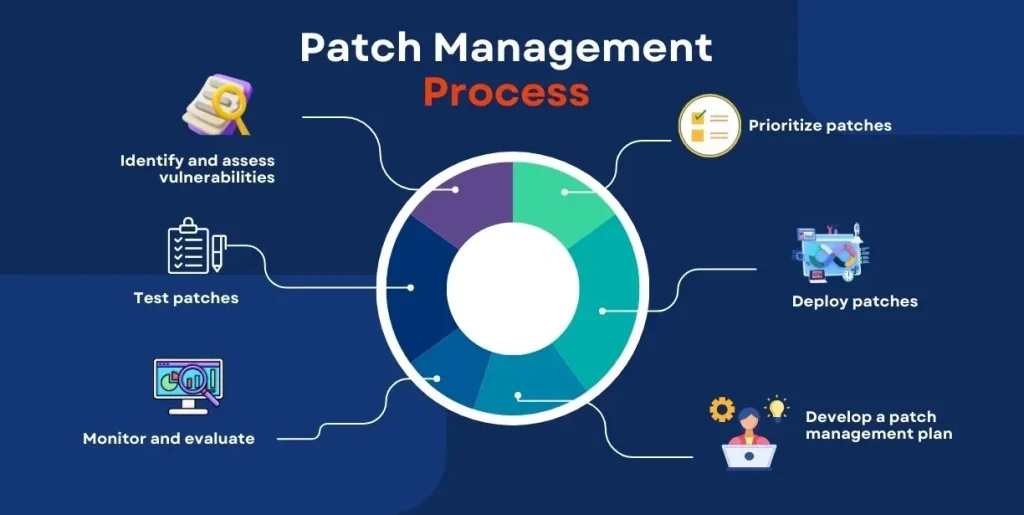
Patch Management is a foundational discipline that protects networks and data by coordinating updates across every device. When done well, it reduces exposure time by ensuring timely software patches are identified, tested, and deployed across environments, from endpoints to cloud workloads. This guide explains the update lifecycle and why it matters for organizations of all sizes seeking resilience in modern IT ecosystems. By following patch deployment best practices and vulnerability remediation strategies, teams can minimize downtime, avoid service disruptions, and maintain compliance with industry standards. A steady security patching cadence helps teams stay ahead of threats while aligning IT with business priorities and strategic risk management.
In practice, keeping software current is a structured maintenance routine that reduces risk and strengthens system reliability. A formal update lifecycle, often called the patch management process, coordinates discovery, testing, deployment, and verification across devices. Rather than chasing every patch, teams prioritize fixes based on risk, criticality, and exposure, following a steady cadence. Automation supports consistent discovery and rollout, while governance, auditing, and transparent reporting keep stakeholders informed and audits smooth.
Patch Management: A Strategic Guide to Software Updates
Patch management is a strategic discipline that extends beyond simply clicking install on newer software versions. It encompasses governance, process, and practiced capability to reduce the software attack surface by applying software patches across endpoints, servers, and cloud workloads. When done well, it supports security, compliance, and availability in a cohesive program.
A mature patch management approach integrates vulnerability remediation workflows, vulnerability scanning, and change management to align with an established security patching cadence. By weaving together policy, automation, and human oversight, organizations can shorten exposure windows and strengthen IT resilience through consistent patch deployment.
What Are Software Patches and Why They Matter
Software patches are updates released by vendors to fix defects, close security gaps, or improve functionality. They are essential for reducing the attack surface exposed by known vulnerabilities and misconfigurations, and they underscore the importance of a disciplined patch management process.
Even updates that seem minor can eliminate critical risks when applied in a timely and controlled manner. Proper patch management reduces exploit likelihood, protects sensitive data, and helps organizations meet regulatory requirements through ongoing vulnerability remediation.
The Patch Management Process: From Discovery to Verification
A robust patch management process follows a repeatable lifecycle that ensures patches are found, tested, deployed, and verified with minimal disruption. Key phases include inventory and discovery, vulnerability assessment and patch identification, and patch testing and staging to validate compatibility.
Deployment planning, execution, verification, and governance complete the loop, with continuous improvement guiding risk prioritization and process refinement. This structured approach supports transparency, audit readiness, and demonstrable progress in the patch management process.
Best Practices for Patch Deployment: Strategies for Safe Rollouts
To maximize effectiveness and minimize downtime, adopt patch deployment best practices such as a formal patch management policy, an up-to-date asset inventory, and phased deployment with rollback plans. Automation should be employed where feasible, but with human oversight for critical risk decisions.
Additional practices include scheduling patches during maintenance windows, communicating changes to users, and verifying patch success while monitoring post-patch performance. Documenting exceptions and having a remediation plan for devices that cannot receive patches promptly is essential for governance and risk management.
Security Patching Cadence: Aligning Schedule with Risk and Compliance
A consistent security patching cadence reduces risk by coordinating vendor release calendars, threat intel, and maintenance windows. Monthly cycles align well with common software patch release patterns, while high-risk environments may require accelerated remediation cadences.
Align cadence with business risk, incident response planning, and regulatory requirements. A predictable schedule enables better resource planning, more effective vulnerability remediation, and a proactive security posture across the organization.
Vulnerability Remediation Through Patch Orchestration and Tools
Modern vulnerability remediation relies on a combination of asset discovery, vulnerability scanning, and patch management software that can automate discovery, deployment, and verification. Orchestration software helps tie together patch management process steps, software patches, and governance reporting for compliance.
While automation saves time and reduces human error, it must be paired with robust change management, testing environments, and clear rollback procedures. This balance ensures patches are applied safely and that risk decisions are well documented and auditable.
Frequently Asked Questions
What is the patch management process and why is it essential?
Patch management is a structured lifecycle that includes inventory and discovery, vulnerability assessment, patch identification, testing and staging, deployment planning, verification, governance, and continuous improvement. This patch management process ensures software patches are identified, tested, and deployed with minimal disruption, reducing vulnerability exposure and supporting compliance through consistent vulnerability remediation.
How do software patches drive vulnerability remediation and risk reduction?
Software patches fix security flaws and bugs, reducing the attack surface and helping close known gaps. In patch management, vulnerability remediation starts with identifying relevant patches from vendors and prioritizing them by risk and exposure, ensuring timely application to minimize exposure windows and strengthen security.
What are patch deployment best practices to minimize downtime and maximize success?
Follow patch deployment best practices: establish a formal patch management policy with executive sponsorship, maintain an up-to-date asset inventory, and use phased deployments with rollback plans. Automate where feasible but keep human oversight for risk decisions, schedule patches during maintenance windows, validate success, monitor for post-patch issues, and document exceptions.
Why is security patching cadence important for security and compliance?
A regular security patching cadence aligns with vendor release calendars and security advisories, reducing the window of exposure. For critical environments, a faster remediation cadence may be required; for less critical assets, a longer schedule with enhanced monitoring can apply. A consistent cadence supports risk-based prioritization and audit readiness.
What challenges commonly affect patch management and how can organizations overcome them?
Common challenges include incomplete asset inventories, long vendor patch cycles, vendor-specific patching quirks, and patch-induced outages. Address these by improving asset discovery, applying risk-based prioritization, maintaining testing environments, having rollback mechanisms, and enforcing change management governance.
How can organizations measure patch management success and ensure governance using patch deployment best practices?
Measure success with metrics such as patch deployment rate, time to patch, and overall patch compliance across the environment. Regular status reports support governance, audits, and continuous improvement, and aligning these metrics with regulatory requirements demonstrates the value of patch deployment best practices.
| Key Topic | Summary |
|---|---|
| Patch management definition | A disciplined approach to discovering, testing, deploying, and validating software patches to keep systems secure, compliant, and available. |
| What software patches are | Code updates from vendors that fix defects, close security gaps, or improve functionality, reducing attack surface when applied timely. |
| Why patch management matters | Addresses active vulnerabilities, improves reliability, and supports regulatory compliance; reduces risk and exposure windows. |
| Patch management process (Discovery to Verification) | Lifecycle steps: inventory/discovery; vulnerability assessment/patch identification; patch testing/staging; deployment planning/execution; verification/validation; reporting/governance; continuous improvement. |
| Best practices for patch deployment | Policy, asset inventory, test by critical systems, phased deployment with rollback, automation with human oversight, patch windows, verification, documentation and remediation planning. |
| Cadence and scheduling | Monthly cycles aligned with vendor releases; faster remediation for critical assets; cadence should match business risk and incident response plans. |
| Tools and automation | Asset discovery, vulnerability scanning, patch management software; automate discovery/deployment/verification; ensure integration with ITSM; require change control and oversight. |
| Challenges | Incomplete inventories, long vendor patch cycles, quirks, patch-induced outages; mitigate with robust discovery, risk-based prioritization, testing environments, rollback, change governance. |
| Measuring success | Track patch deployment rate, time to patch, patch compliance; use governance reports for audits and continuous improvement. |
| Final word | Patch management is a core component of mature cybersecurity and IT operations; a risk-based, tested, auditable approach protects assets while maintaining service quality. |
Summary
Conclusion: Patch management is a foundational practice for securing and stabilizing IT environments. A well-defined patch management process reduces exposure windows, protects sensitive data, and helps organizations of all sizes stay compliant. By following the phases from discovery through verification, adopting best practices for deployment, aligning cadence with risk, and leveraging automation with appropriate governance, organizations can build a resilient security posture. Emphasizing the ongoing cycle of discovery, testing, deployment, and governance makes Patch Management an integrated part of everyday IT operations rather than a one-off task.